
Trip length guide
How Many Days Do You Need in the Amazon from Iquitos?
Compare 3-, 4- and 7-day Amazon journeys from Iquitos by useful forest time, travel pace and the experience each duration can realistically offer.
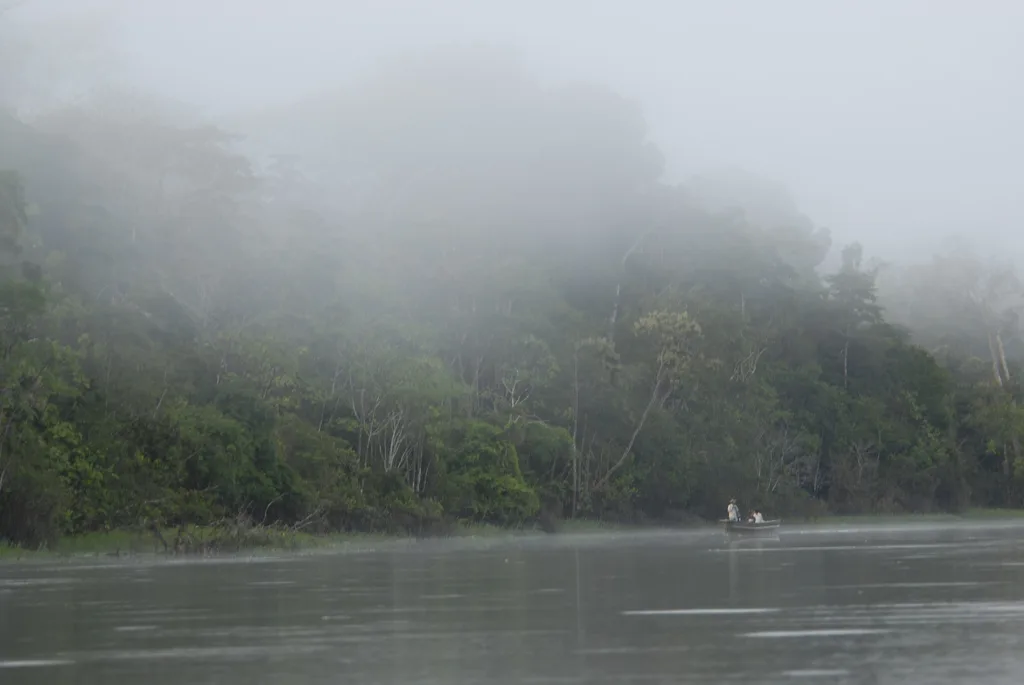

For most first-time visitors, four days and three nights is the practical minimum we would choose. Three days can work as an introduction. Seven days make sense when the forest is a principal purpose of the journey and the traveller accepts a slower, simpler rhythm.
The label on a tour can mislead. A “three-day” program may start after lunch and finish early on day three. Compare useful time in the forest, not only the number in the title.
Three days and two nights: an introduction
A well-organised three-day journey can include river travel, two evenings, one full day and parts of the arrival and departure days. It may suit travellers who:
- have a fixed, short Peru itinerary;
- want a first experience rather than a remote expedition;
- stay relatively close to Iquitos or use an efficient transfer;
- understand that weather may change the plan;
- are comfortable leaving with only a glimpse of the region.
Before choosing it, ask for actual departure and return times. If most of days one and three are transfers, the experience rests almost entirely on one day.
Four days and three nights: the strongest first choice
Four days usually create a more natural rhythm. After arrival, you have time to learn how the place works rather than immediately counting down to departure. A responsible program can spread activities across early morning, daytime and night without forcing every hour to be scheduled.
This duration is often right for someone combining Iquitos with Lima and Cusco. It remains manageable within a two-week Peru itinerary while offering more than a quick lodge visit.
The extra night also creates flexibility. Tropical rain is part of the environment. If one walk or boat trip changes, the whole experience does not depend on a single window.
Five to seven days: when the Amazon is the destination
A longer journey is appropriate when you value immersion, learning and time with local people more than collecting destinations. It can allow travel farther from the city, repeated visits to habitats and a less hurried daily structure.
It also requires honest self-assessment. Ask whether you are comfortable with:
- heat, humidity, insects and wet clothing;
- basic accommodation and limited privacy;
- changing plans because of river or weather conditions;
- early mornings and periods without connectivity;
- fewer familiar comforts than a conventional hotel.
Longer is not automatically better. A seven-day program filled with repetitive or staged activities is not more meaningful than a thoughtful four-day journey.
Compare hours, distance and purpose
Ask every operator for these details:
| Detail | Why it matters |
|---|---|
| Pickup time in Iquitos | Shows how much of day one is usable |
| Transfer time each way | Reveals how much time is spent moving |
| Return time | Determines whether a same-day flight is realistic |
| Exact accommodation area | “Amazon lodge” can describe very different settings |
| Group size | Changes noise, pace and access to the guide |
| Included activities | Prevents surprises and repeated paid extras |
| Rest periods | A completely packed schedule may be exhausting in tropical conditions |
Distance needs context. A remote location may offer less disturbance, but a long transfer reduces useful time on a short trip. For three days, efficiency matters. For seven, travelling farther can be part of the experience.
How duration affects wildlife expectations
More days provide more observation windows; they do not guarantee animals. Some species are active at dawn, others after dark. River level changes access to channels and trails. Rain can quiet one moment and create activity later.
Avoid itineraries that read like a guaranteed wildlife inventory. A better description explains habitats, methods of observation and realistic possibilities for the month you are travelling.
Remember time in Iquitos itself
Depending on flight timing, consider one night in Iquitos before or after the forest. This can protect the departure, allow time to meet the team and prevent an international itinerary from relying on a boat-to-plane connection with no margin.
Iquitos is also part of the context. Markets, riverfront life and the city’s unusual isolation help explain the region, although visits should be approached respectfully rather than as staged spectacle.
Our recommendation by total Peru trip length
- Peru trip of 7–10 days: three days only if the Amazon is essential and the rest of the route is simple.
- Peru trip of 12–16 days: four days and three nights usually fit best.
- Peru trip of three weeks or more: consider five to seven days if you want depth and tolerate simple conditions.
- Amazon-focused journey: choose the program based on location and purpose, not on what is left after Cusco.
Into The Amazon is developing a seven-day small-group journey from Iquitos. It is designed for people who want the forest and local knowledge to be central, not a two-night add-on. Because operations are still being finalised, we are accepting inquiries rather than confirmed bookings.
Sources and update note
For general destination information consult Peru’s official tourism portal. Exact travel times, river conditions and program details must be confirmed for the location and dates concerned. Updated 23 September 2026.
Frequently asked questions
Is three days enough for an Amazon tour from Iquitos?
Three days can provide an introduction when transfers are short and the first and final days contain useful activities. It is usually not enough for a deeper or more remote experience.
Is four days better than three?
For many first-time visitors, four days and three nights offer the best balance. The additional night gives more flexibility for weather and allows the rhythm to extend beyond arrival and departure.
Does staying longer guarantee more wildlife?
No. More time creates more opportunities to observe different habitats and times of day, but wildlife remains unpredictable and cannot be guaranteed.