
Peru itinerary planning
How to Add the Amazon to a Two-Week Peru Itinerary
A realistic 14-day Peru route combining Lima, Cusco, Machu Picchu and Iquitos without turning every day into a transfer.
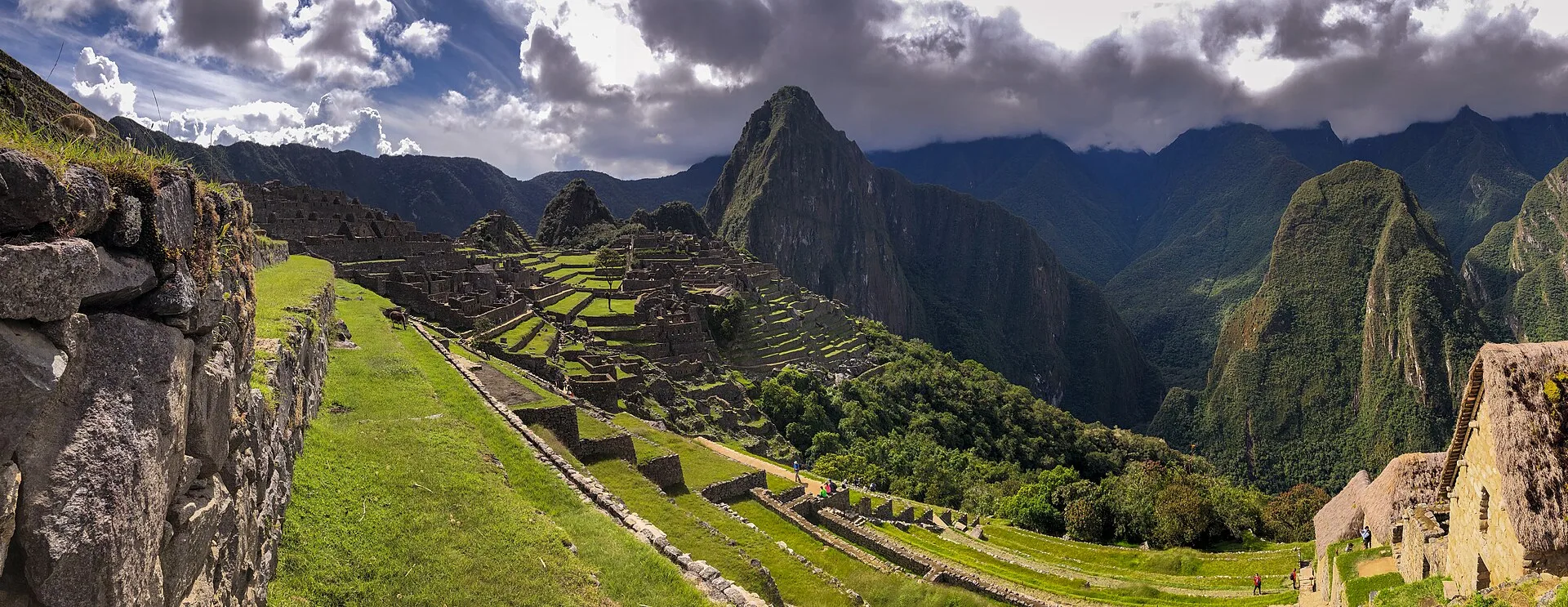

A workable two-week route is possible: give the Cusco region five to six nights, the Iquitos and rainforest section three to four nights, and keep enough time in Lima to protect important connections. The common mistake is adding too many other regions.
Peru looks compact on an itinerary map. In practice, altitude, airport transfers, changing schedules and early starts make a crowded route tiring. Adding the Amazon works best when you remove something else.
A balanced 14-day example
| Day | Base | Plan |
|---|---|---|
| 1 | Lima | Arrive, recover and sleep in Lima |
| 2 | Sacred Valley | Fly toward Cusco and continue to the lower Sacred Valley |
| 3 | Sacred Valley | Acclimatise and explore at a calm pace |
| 4 | Sacred Valley | Local visit or free day |
| 5 | Machu Picchu area | Train and overnight near Machu Picchu |
| 6 | Cusco | Visit Machu Picchu and continue to Cusco |
| 7 | Cusco | Explore Cusco without a major transfer |
| 8 | Lima or Iquitos | Travel according to the best current connection |
| 9–11 | Amazon | Three full program days or the central part of a four-day journey |
| 12 | Iquitos | Return, decompress and stay in the city if timing requires |
| 13 | Lima | Fly to Lima; retain a buffer before the international flight |
| 14 | Departure | International departure |
This is a planning framework, not a live flight schedule. On dates with a convenient connection, day 8 may be simpler. If available flights create a long or risky transfer, use Lima overnight and shorten another part of the route rather than betting the Amazon journey on a tight connection.
Why start in the Sacred Valley rather than Cusco?
Cusco sits at high elevation. Some travellers prefer to continue to the lower Sacred Valley after arrival and acclimatise there before spending time in Cusco. This does not prevent altitude illness and is not medical advice, but it can create a gentler itinerary.
Speak with a qualified clinician about your health, altitude and travel plans. Build in enough time that feeling unwell for one day does not destroy the entire schedule.
Should the Amazon come first?
Putting Iquitos before Cusco can work well when:
- your international flight reaches Lima early enough for a safe onward connection;
- the Amazon is a central reason for visiting Peru;
- you prefer to begin at low elevation;
- fixed Machu Picchu entry and train dates fit later in the trip.
Putting Iquitos after Cusco can work when:
- Machu Picchu has already fixed the beginning of the route;
- you want the forest to be the final, slower part of the journey;
- current domestic flights create a sensible connection;
- you retain a buffer before flying home.
There is no permanently correct order because airline schedules change. Build the route around the least flexible elements: international flights, Machu Picchu admission, rail tickets and the starting date of a small-group Amazon journey.
Three nights or four?
Three nights can provide a meaningful introduction if transfers are efficient. Four nights reduce the feeling that the journey ends just as you settle into the forest. They also provide more opportunities for early-morning, daytime and nocturnal activity under different conditions.
Do not count only nights. Ask what time the group leaves Iquitos on the first day and returns on the last. A “four-day” program with late departure and early return may contain fewer useful hours than expected.
Connections that need breathing room
Treat separately booked flights cautiously. If a delayed domestic flight could cause you to miss an international departure, an extra night in Lima is usually worth more than one additional rushed activity.
Also ask your Amazon operator:
- the latest acceptable arrival time in Iquitos;
- where and when pickup occurs;
- whether the boat transfer runs after dark;
- what happens if the inbound flight is delayed;
- whether the return reaches the airport in time for a proposed flight;
- whether water level or weather can change transfer duration.
These operational answers are more valuable than a perfectly designed map.
What to remove from a crowded route
For a first 14-day visit combining Machu Picchu and Iquitos, avoid automatically adding Arequipa, Lake Titicaca, Paracas and Huacachina. Any one of them may be worthwhile, but combining all of them creates a tour of airports and bus stations.
Use this test: if a destination adds fewer than two useful nights but requires most of a day to reach, save it for another journey.
A simpler 10-day alternative
With ten days, choose one principal region alongside the Amazon:
- Lima: 1–2 nights;
- Cusco, Sacred Valley and Machu Picchu: 4–5 nights;
- Iquitos and the forest: 3 nights;
- departure buffer as required.
This is tight. A delay or altitude problem has a greater effect. If your main interest is the Amazon, reverse the balance: spend four or five nights in the Iquitos region and simplify the Andes.
Before you book
Confirm the exact journey start and end times, then search domestic flights for your dates. Do not buy a connection based only on a sample itinerary.
Into The Amazon currently accepts inquiries rather than confirmed reservations. Send us your international dates, fixed Machu Picchu plans and preferred Amazon duration. We can check whether the Iquitos portion is logically placed before you build the rest around it.
Sources and update note
Use Peru’s official tourism portal for destination information and buy Machu Picchu admission through the current official Peruvian government channel. Flight and rail schedules must be checked live with their operators. This guide was updated on 23 September 2026 and describes planning logic rather than availability.
Frequently asked questions
Can I combine Machu Picchu and Iquitos in two weeks?
Yes, if you keep the route focused and allow realistic transfer time. A balanced plan normally gives the Cusco region five or six nights and Iquitos three or four nights, with Lima used for international connections.
Should I visit the Amazon before or after Cusco?
Both orders can work. Many travellers prefer lower-elevation Lima or the Amazon before Cusco, while others finish with the rainforest. Flight schedules, international arrival time and fixed Machu Picchu dates should decide the order.
Do I need a buffer night in Lima?
A buffer is prudent before a separate international ticket or when a missed connection would be expensive. The right choice depends on whether flights share one booking and on current schedules.